Sacrifice of Christ
The theme “Sacrifice of Christ” joins 9 constellations: Altar, Capricornus, Centaur, Southern Cross, Swan, Hercules, Wolf, Lynx, Lesser Lion. Each connection is explained on a dedicated constellation page and belongs to the atlas’s authorial biblical interpretation.
9 related constellationsWhich constellations are connected with the theme “Sacrifice of Christ”?
The theme “Sacrifice of Christ” joins 9 constellations: Altar, Capricornus, Centaur, Southern Cross, Swan, Hercules, Wolf, Lynx, Lesser Lion. Each connection is explained on a dedicated constellation page and belongs to the atlas’s authorial biblical interpretation.
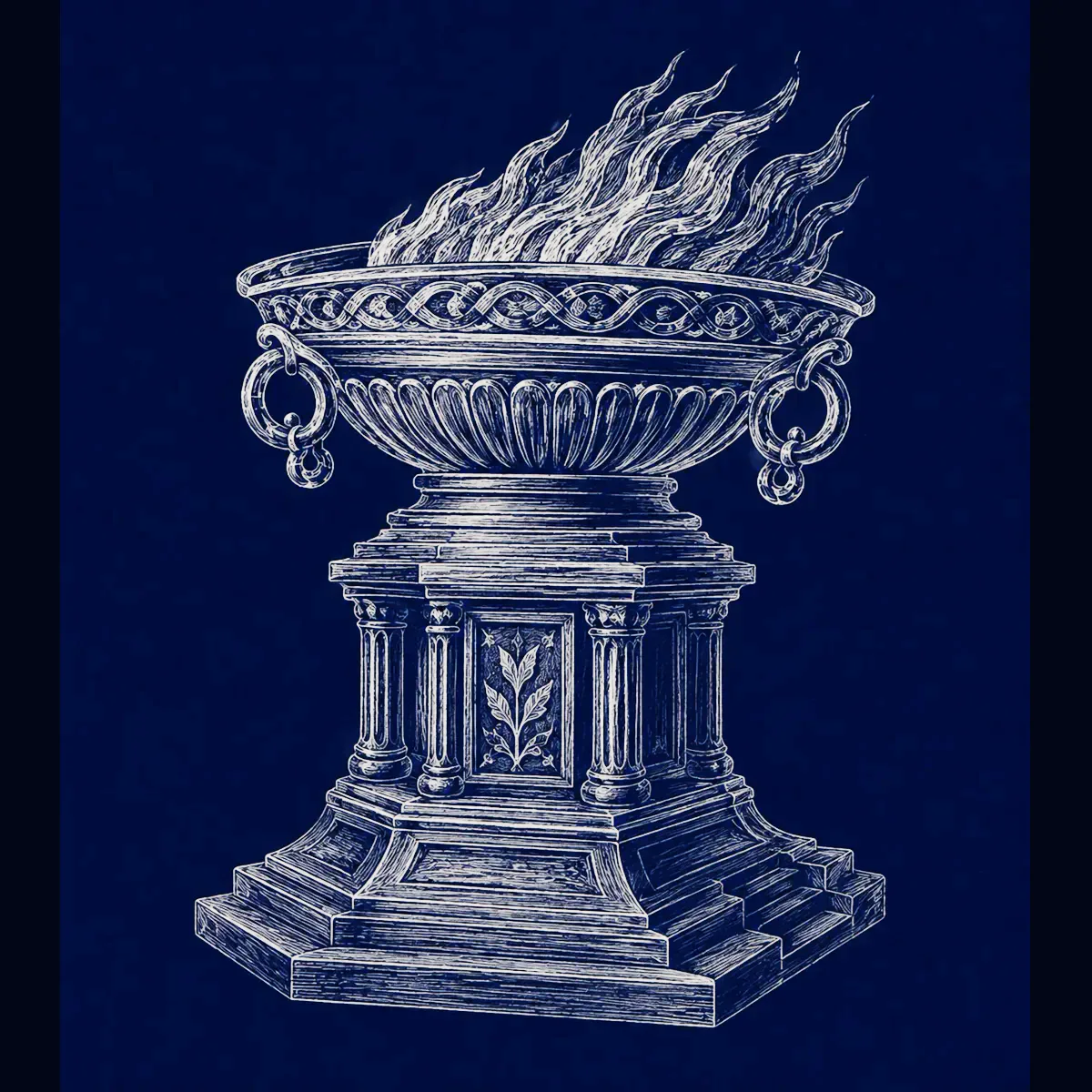
Altar
The perfect sacrifice of ChristThe names of the stars of the Altar speak of an altar, the Righteous One, and sacrifice. The constellation points to Jesus Christ—the Righteous One, who voluntarily offered Himself as a sacrifice for the sins of the world.
Read interpretation →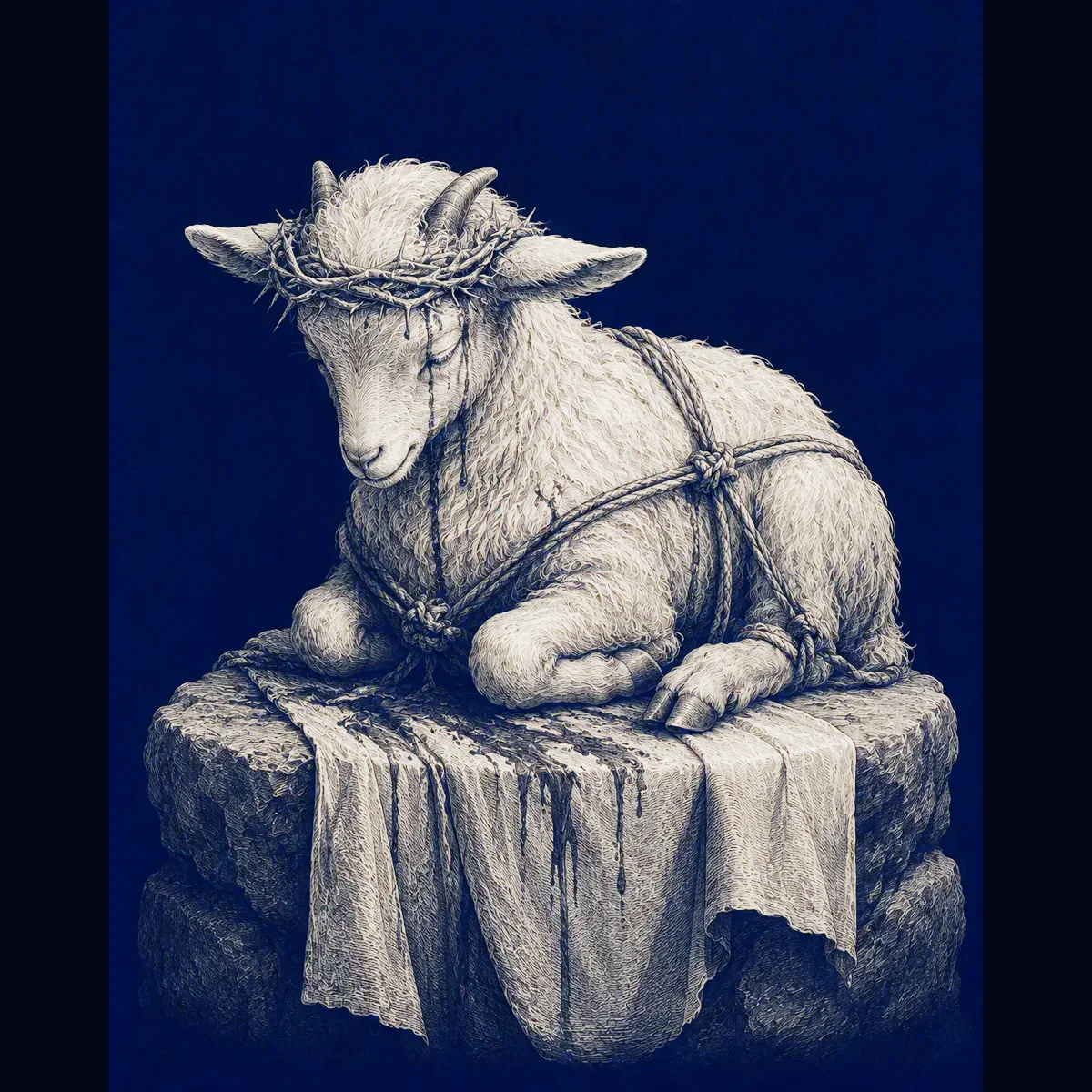
Capricornus
Prince of Heaven comes as SacrificeCapricornus stands between Sagittarius and Aquarius and explains how Christ defeated the power of sin. Sagittarius strikes Scorpius, but the victory is accomplished through sacrifice: Algedi means 'kid/goat', and Dabih comes from an Arabic name associated with slaughter. The ancient Capricorn was a Goat-Fish, so its figure simultaneously leads further—to Aquarius and the water of life.
Read interpretation →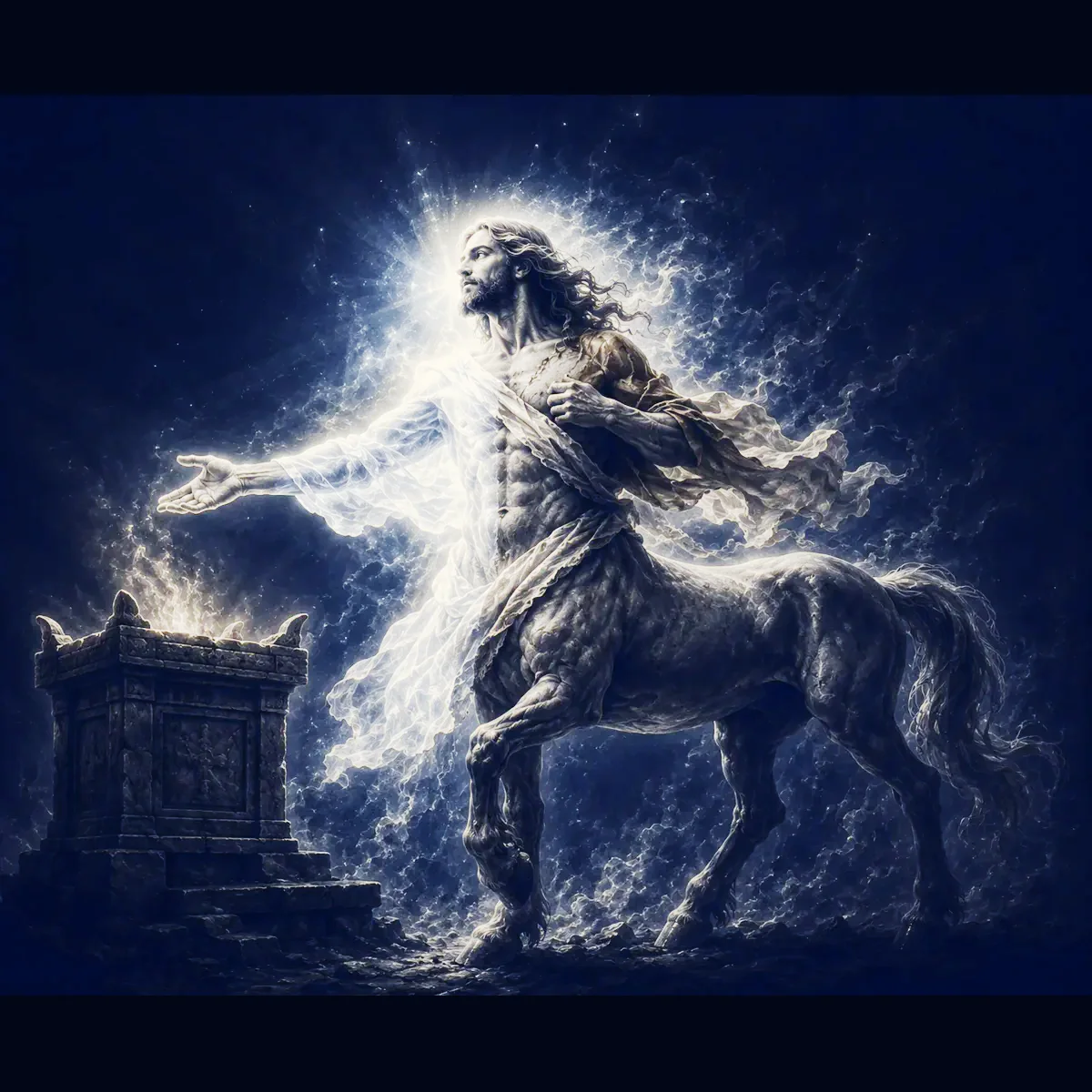
Centaur
Wise and Great, Who Bore the World's BurdenCentaurus reveals the image of Christ, who came to earth as the true Vine and bore the weight of the sin of the whole world. The names of its stars speak of wisdom, greatness, earth, burden, and readiness to do God's will.
Read interpretation →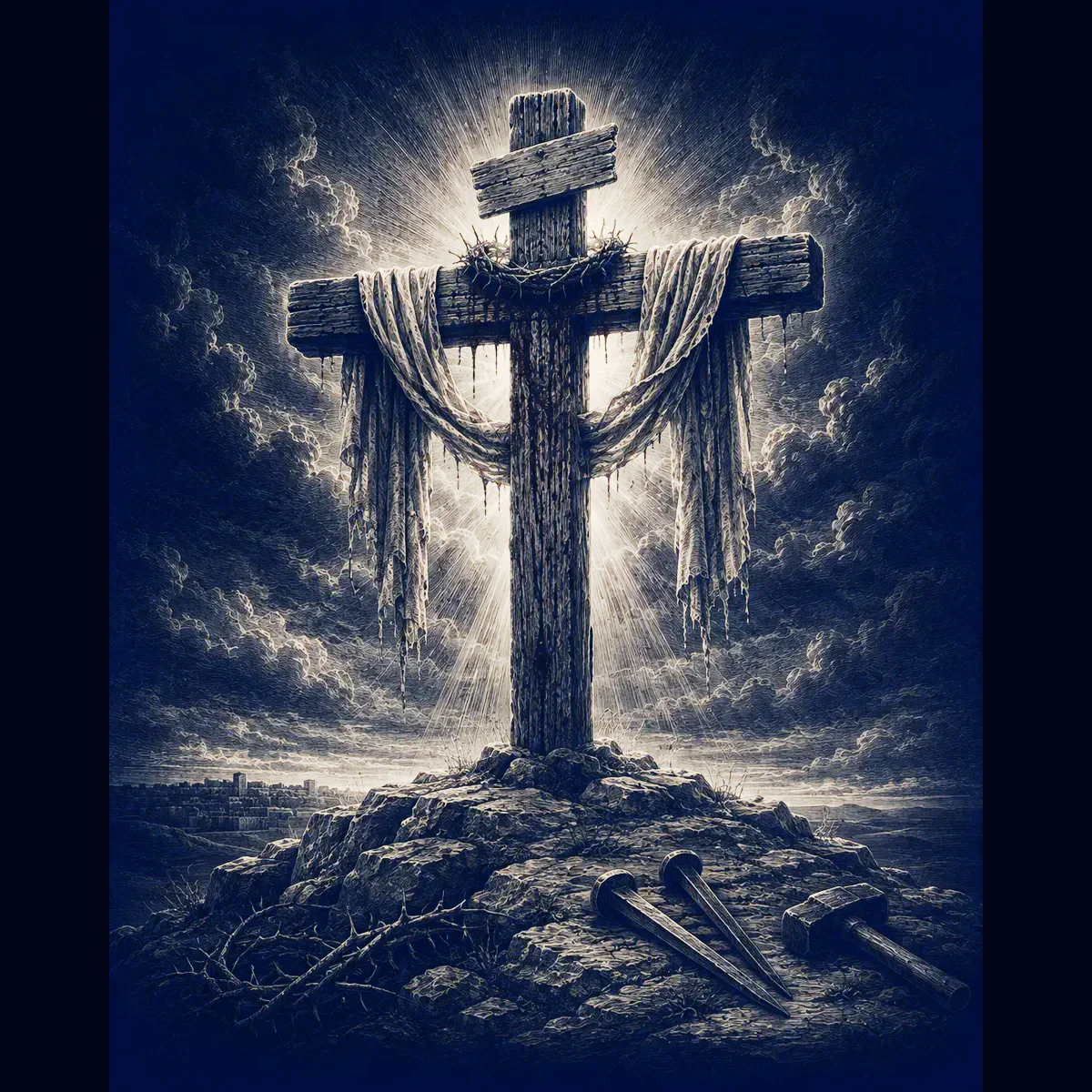
Southern Cross
Cross of RedemptionThe Southern Cross is the southern counterpart of the Northern Cross, which is read in the constellation Cygnus. If Cygnus shows the Cross in the northern book of the sky, then the Southern Cross repeats the same revelation for the peoples of the Southern Hemisphere. The entire sky testifies that the path of salvation passes through the Cross of Christ.
Read interpretation →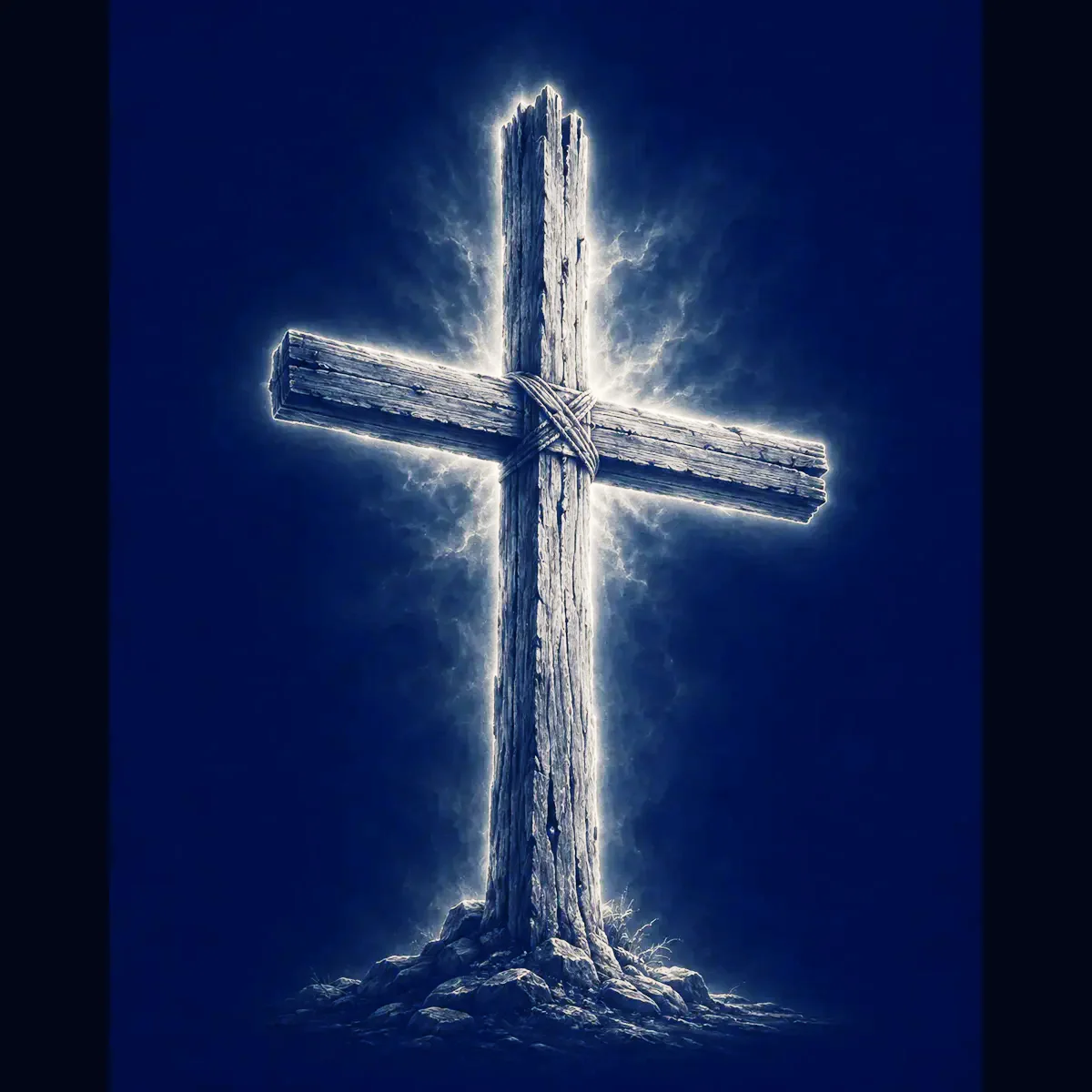
Swan
Saving CrossCygnus is read as the Northern Cross. It is located next to the Kneeler — the image of the suffering Christ, who strikes the ancient serpent in the head. Between the Kneeler and the Cross lies Lyra with the star Vega — the image of fallen angels. The Son of God went to the Cross to destroy the works of the devil, redeem mankind, and open to them the way to eternity.
Read interpretation →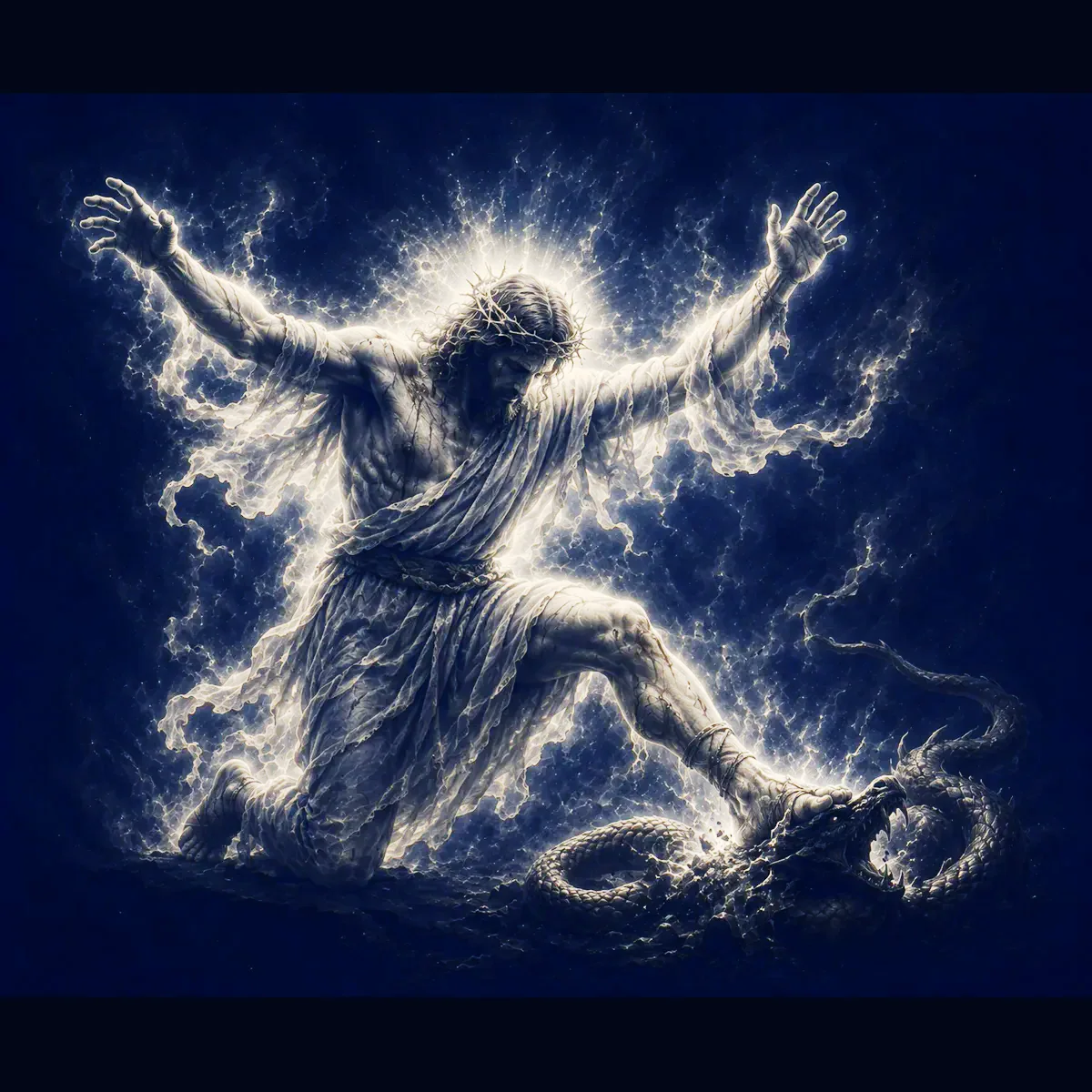
Hercules
The Kneeler — Suffering VictorThe Kneeler is an image of the Messiah, who through suffering strikes the ancient Serpent and gains victory. The ancient Greeks did not yet call this figure Hercules: Eudoxus and Aratus knew it as the mysterious Man kneeling, with His foot on the head of the Dragon. Beside Him shines the Northern Crown — the Crown, which wonderfully combines in one heavenly picture the most ancient prophecy of Gen. 3:15, the sufferings of the Messiah, and the subsequent victory: the Serpent strikes His heel, but the Seed of the woman crushes the Serpent's head, and after suffering comes the crown of life.
Read interpretation →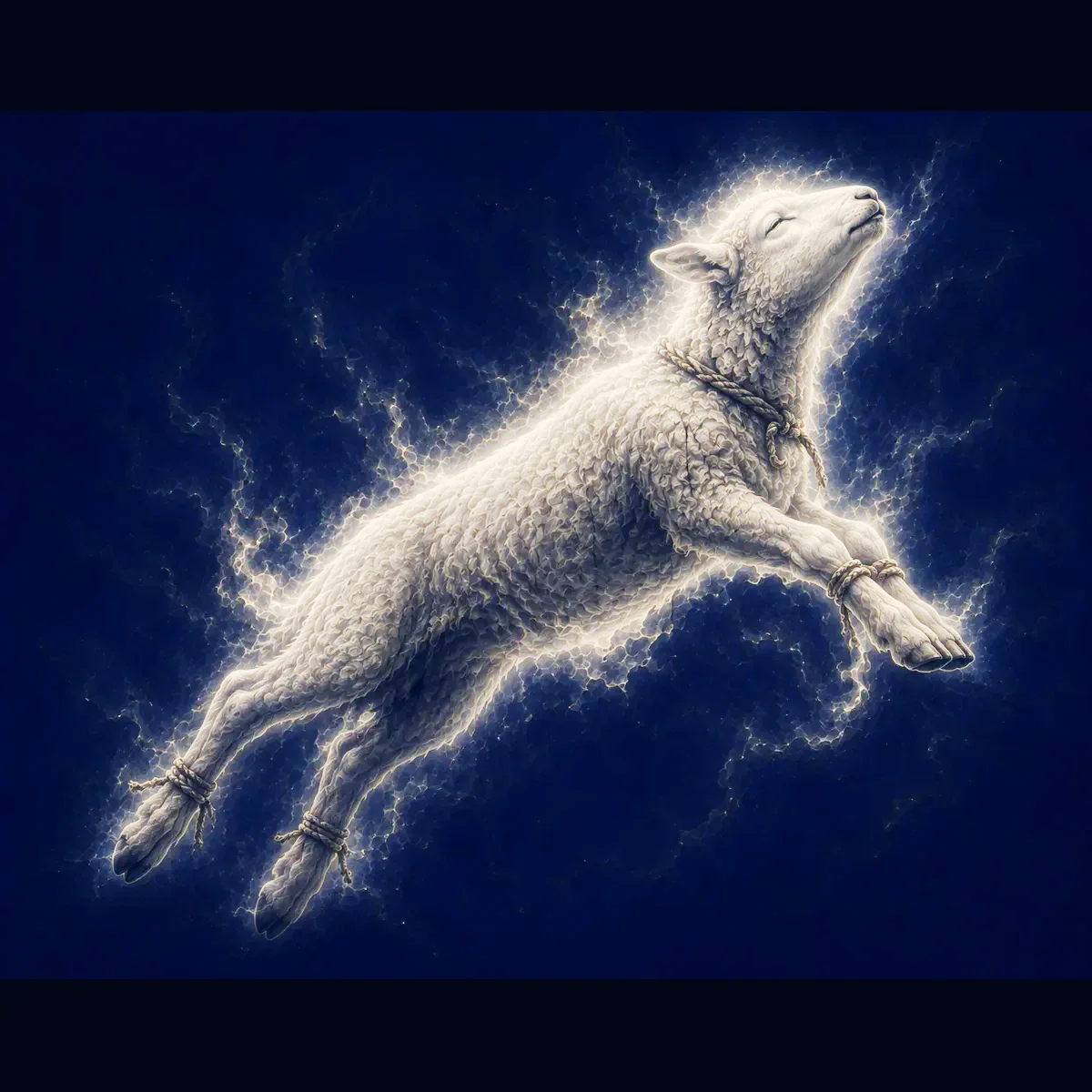
Wolf
Atoning sacrificeThe constellation of the Wolf depicts the sacrifice offered for redemption. The modern name 'Wolf' is secondary: the ancient Greeks called this figure simply Therion — 'Beast', and on ancient depictions it is already pierced and in the hands of Centaurus, who carries it toward the neighboring constellation of the Altar — Ara. Ancient authors directly described the animal as a victim. Therefore the main meaning lies not in the wolf itself, but in the position of the figure: Victim → Altar. In the biblical picture, this points to Christ, who voluntarily offered Himself to God as the perfect atoning sacrifice for the sins of the world.
Read interpretation →
Lynx
Thorn of sufferingThe constellation Lynx is directly next to the Lesser Lion — the image of the Son of God, Jesus Christ. The constellation Lynx itself was only defined in the 17th century, so the meaning does not lie in the animal as such. The main key is found in one of its stars — Alsciaukat (31 Lyncis), whose name comes from the Arabic aš-šawkat and means 'Thorn'. Beside the Son appears the Thorn — the image of His sufferings, the crown of thorns, wounds, and death on the cross. The Lesser Lion shows who He is, and the Thorn beside Him shows what He endured for the salvation of men.
Read interpretation →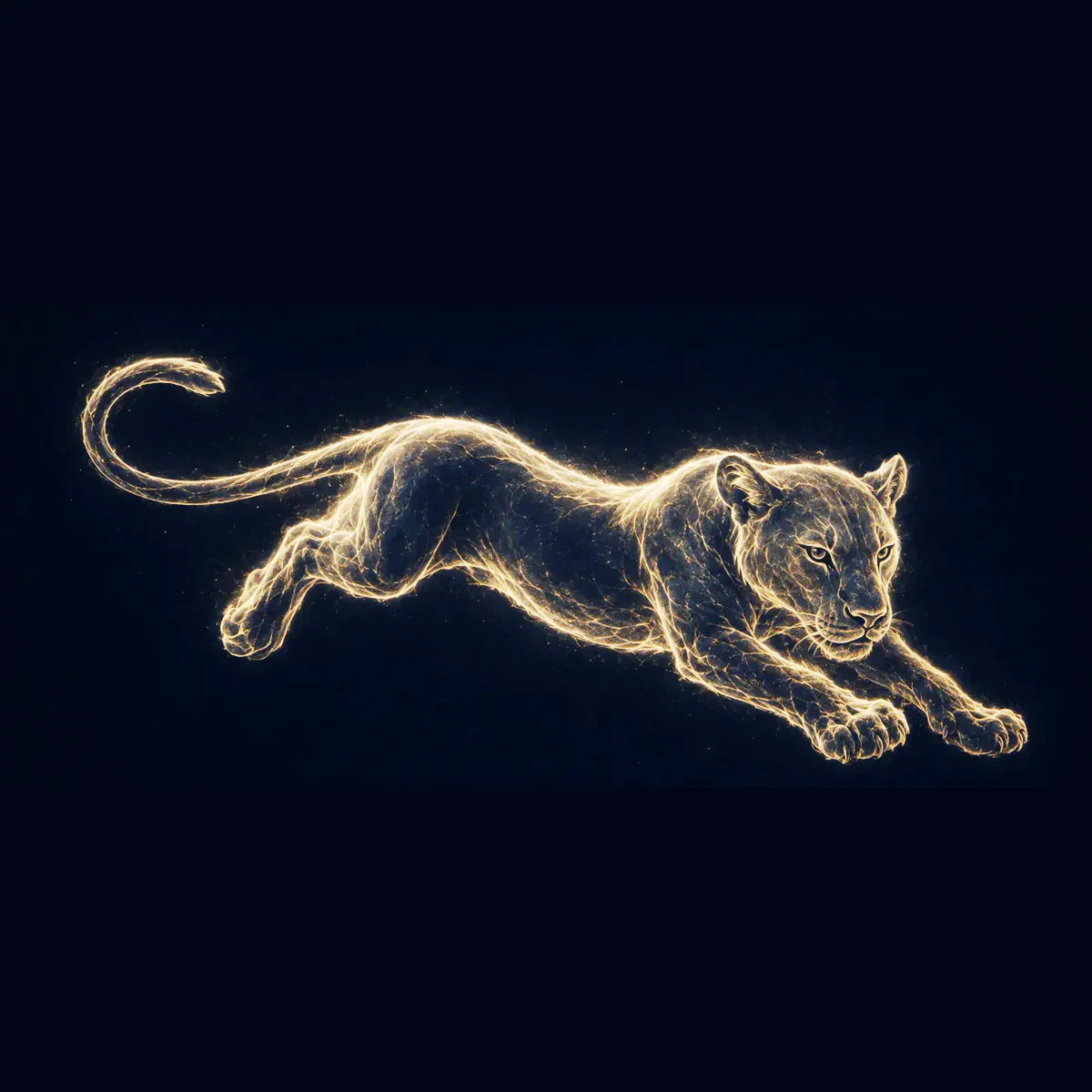
Lesser Lion
Son of GodThe Lesser Lion depicts Jesus Christ, God the Son. It lies between the Great Lion — the image of God the Father — and the Great Flock, the Church of God. Thus, the very picture of the sky shows the way: the Church comes to the Father through the Son. Next to the Lesser Lion is the Lynx with the star Alsciaukat — 'Thorn', pointing to the sufferings of Christ. The way to the Father was opened through the wounded and crucified Son of God: 'No one comes to the Father except through Me.'
Read interpretation →