The Eagle, together with Lyra, participates in the heavenly scene of the fall of the rebellious angels. The names of its stars form an image of the one who struck the balance established by God and was cast down from heaven like lightning.
Full interpretation
Verifiable historical, etymological and topographical statements are accompanied by sources. The theological conclusions are the project’s interpretation according to its published methodology.
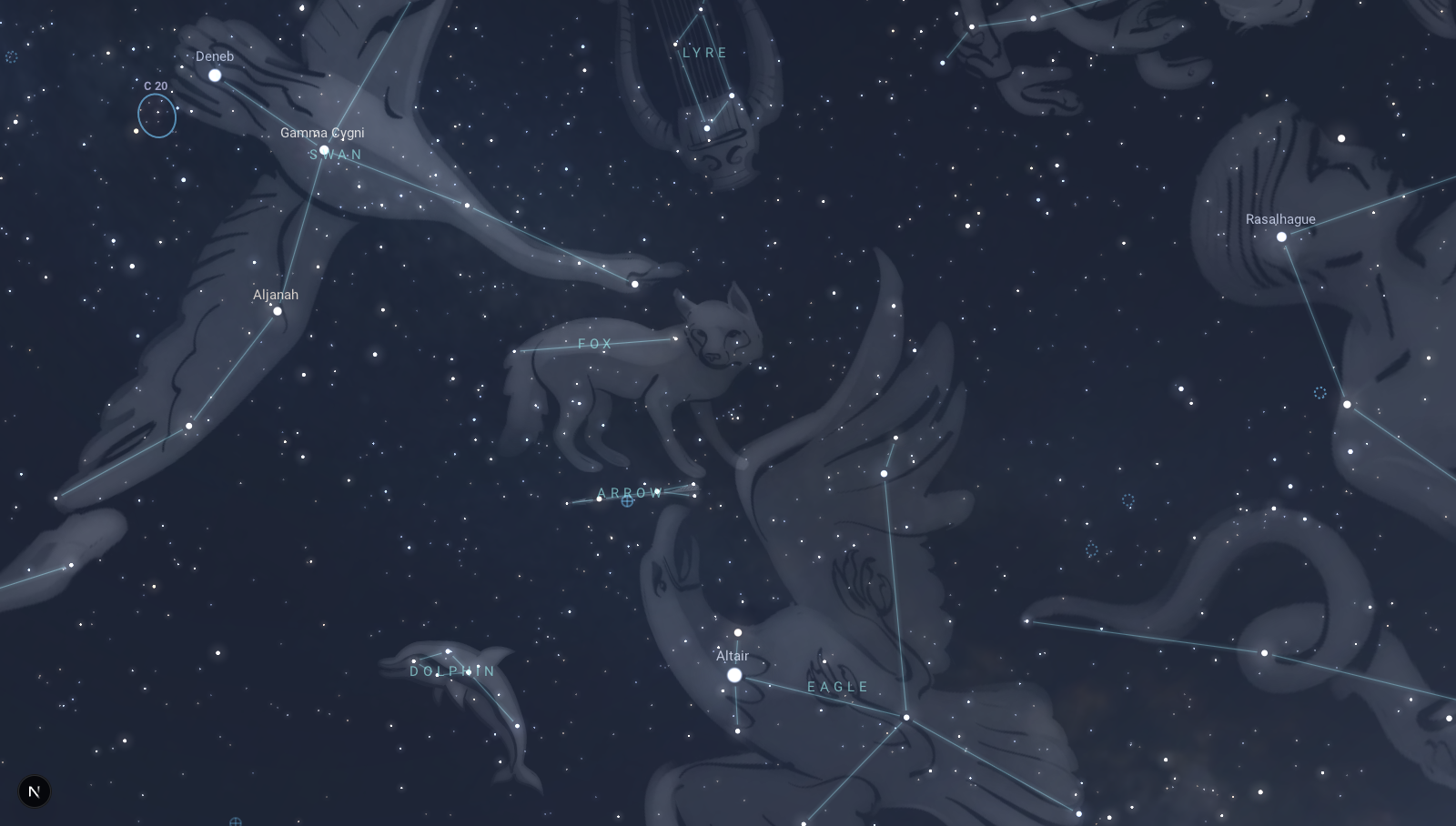
The constellation of the Eagle is located next to Lyra, above the region of Sagittarius and Scorpius. In the book, the Eagle and Lyra form a common scene telling of the fall of the angels who rebelled against God.[Kunitzsch & Smart][IAU · имена звёзд]
The main star of Lyra, Vega, is associated with the meaning "Falling." With the Eagle is connected another series of meanings. Alpha, Beta, and Gamma of the Eagle bore the Arabic name Šāhīn tarāzū, going back to an older Persian tradition. In the book, this name is read simultaneously through the images of the "Striker" and the "Scales," or "Balance." The star Eta of the Eagle is associated with the word "Lightning."[Kunitzsch & Smart][IAU · имена звёзд]
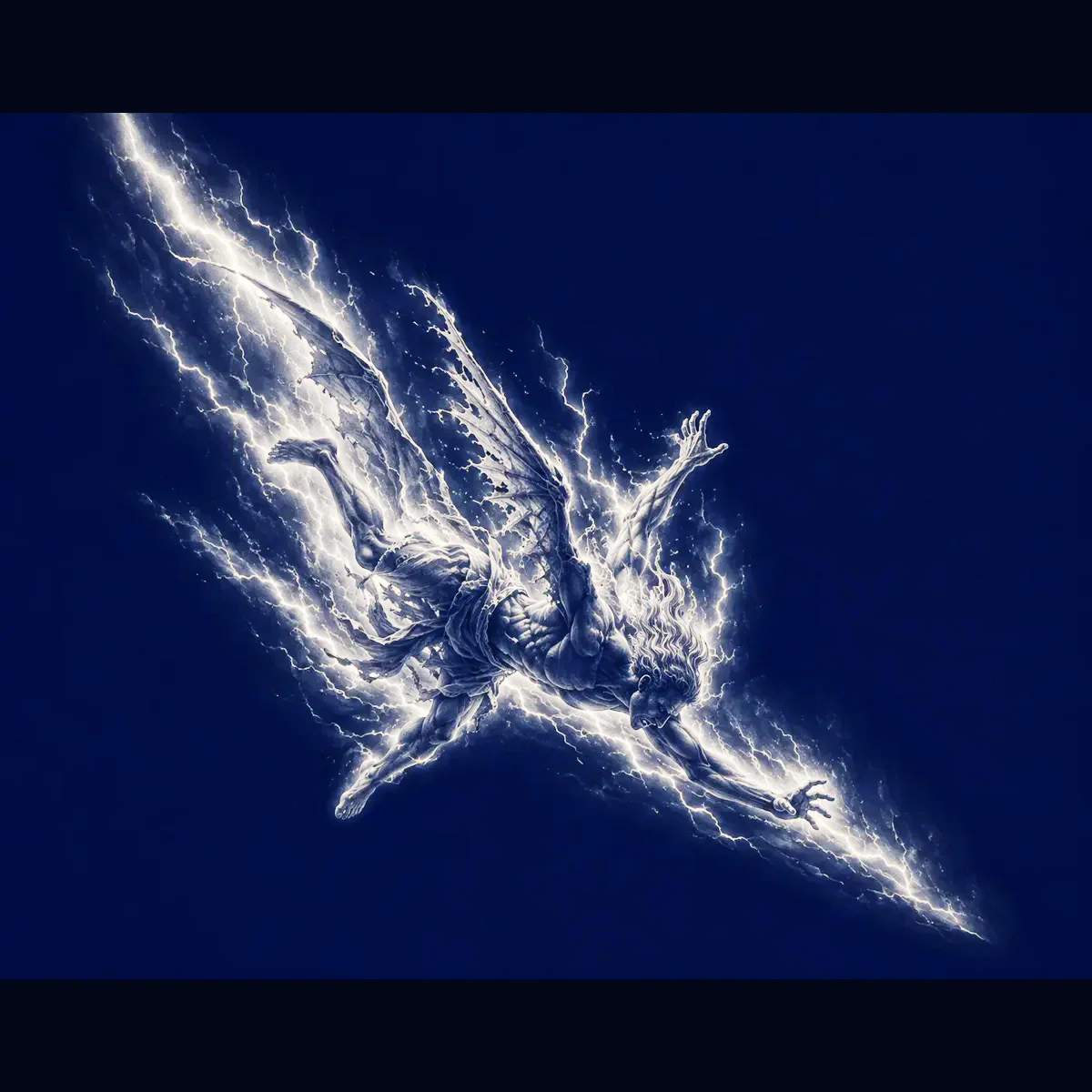
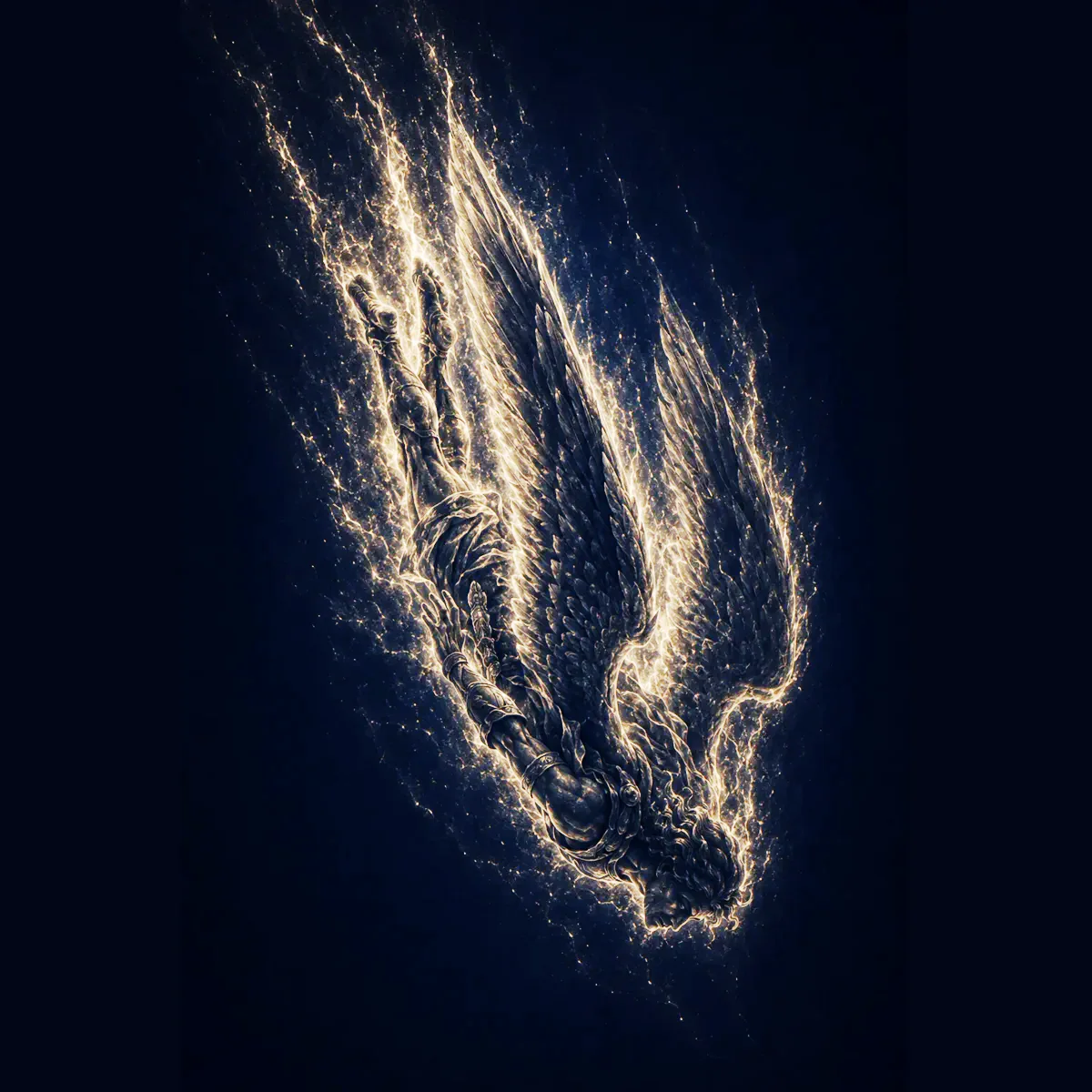
If these meanings are combined, a sequential image emerges: the rebel struck the balance of the universe established by God, but he himself was cast down from heaven as lightning and became falling. Therefore, the Eagle here does not depict an ordinary bird or a positive symbol, but one side of the story of Satan and the fallen spiritual powers.[Kunitzsch & Smart][IAU · имена звёзд]
This scene is opened by the words of Jesus Christ after the return of the seventy disciples. When they rejoiced that demons submitted to them in the Lord's name, Christ said: "I saw Satan fall from heaven like lightning." Thus the Eagle, together with Lyra, reminds us of the fall of the one who rose up against God, broke the heavenly order, and was cast down from his position.[Kunitzsch & Smart][IAU · имена звёзд]