A seven-star sign containing far more stars
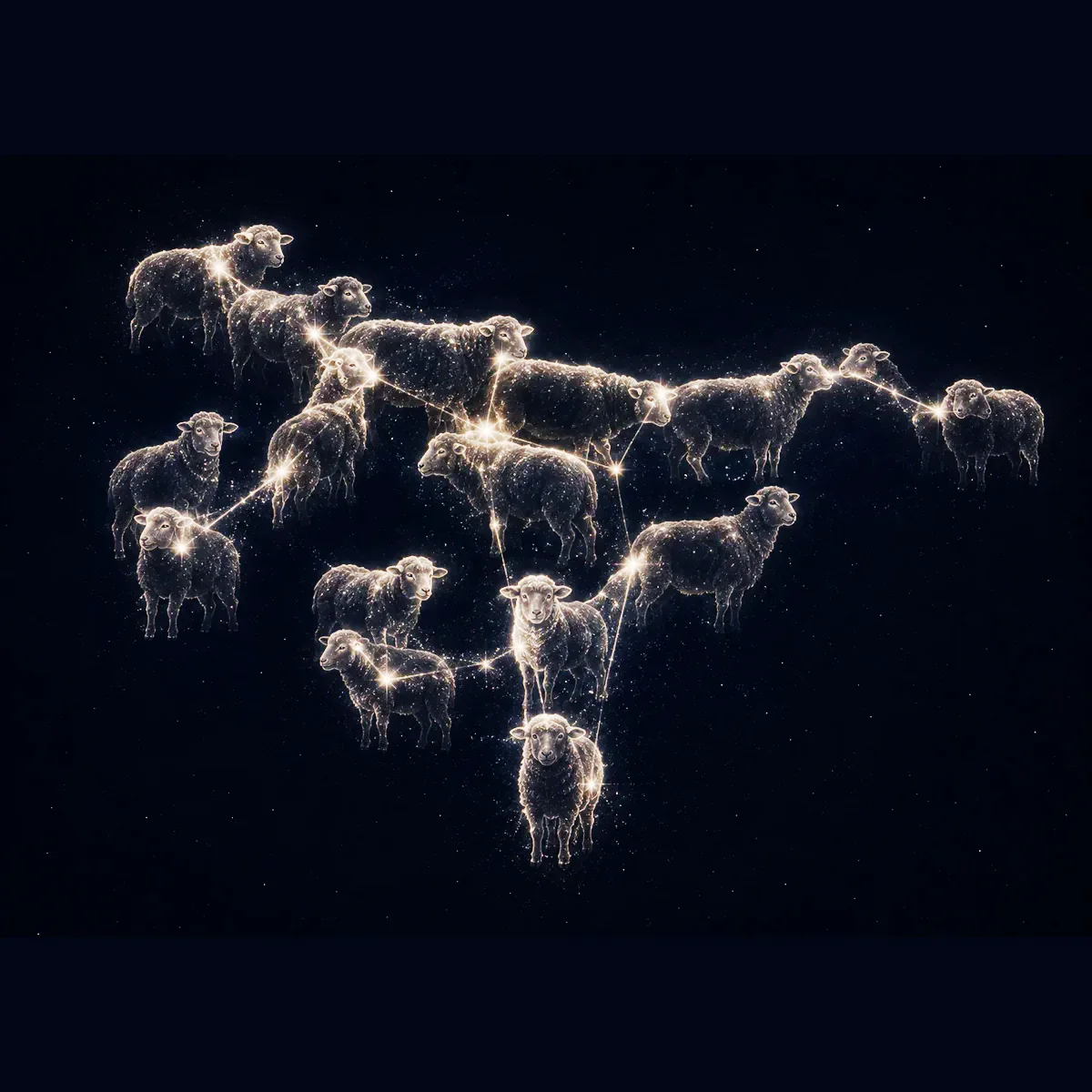
The Pleiades are a young open cluster in Taurus, roughly 445 light-years from Earth. More than a thousand stars belong to it, although the naked-eye pattern is dominated by only a handful of its brightest members.
Ancient cultures persistently saw a seven-star sign here. The name “Seven Sisters” therefore endured even where an observer distinguishes only six of the brightest lights.
In Mesopotamian tradition the Pleiades opened the Moon’s path in MUL.APIN and were written MUL.MUL — the “Star of Stars”. Their rising and setting served as a calendar marker for agricultural seasons.
God’s riddle to JobWho can bind a multitude?
“Can you bind the chains of Kimah, or loose the cords of Kesil?”
The Church in the heart of the Bull
01In the atlas Taurus reveals the Messiah as the coming King, Judge and Shepherd. The Pleiades lie near his heart: Revelation’s seven churches are not before the face of judgement, but within His covenant care and love.
02The seven lampstands remain distinct, yet Christ walks among them and holds their stars in His hand. The Church’s unity cannot be manufactured administratively; it is made by the One who binds Kimah, breaks the dividing wall and reconciles different people in one body.
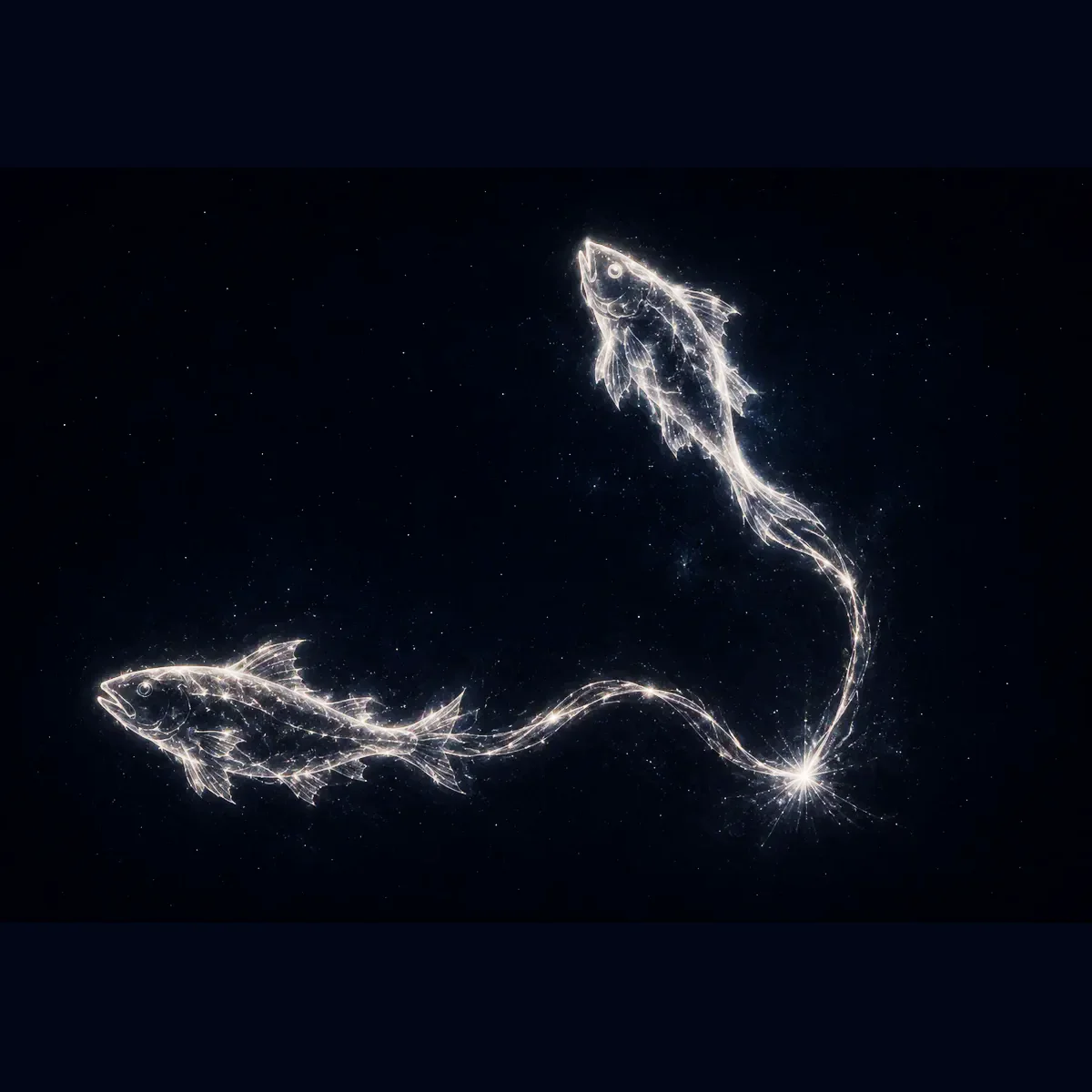
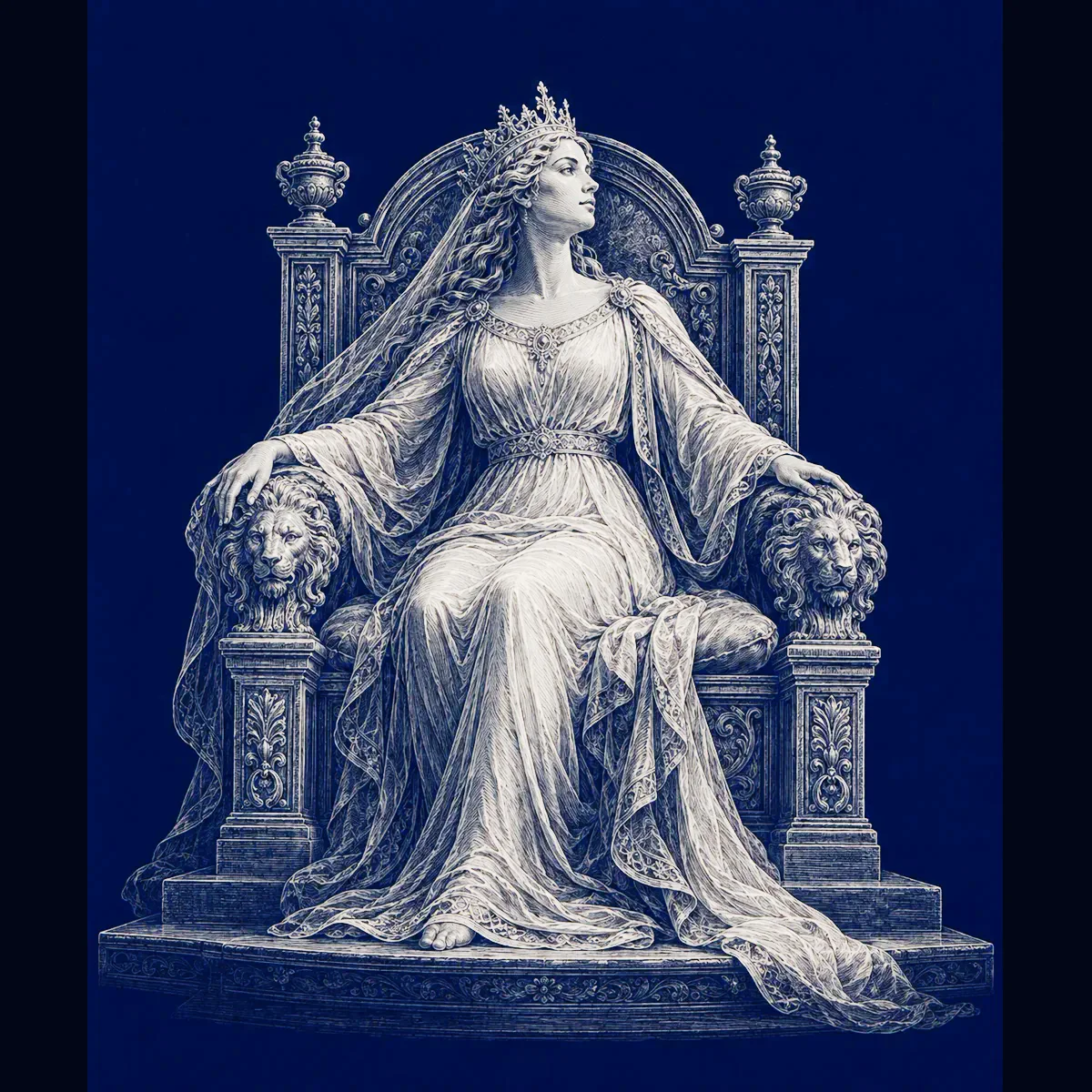
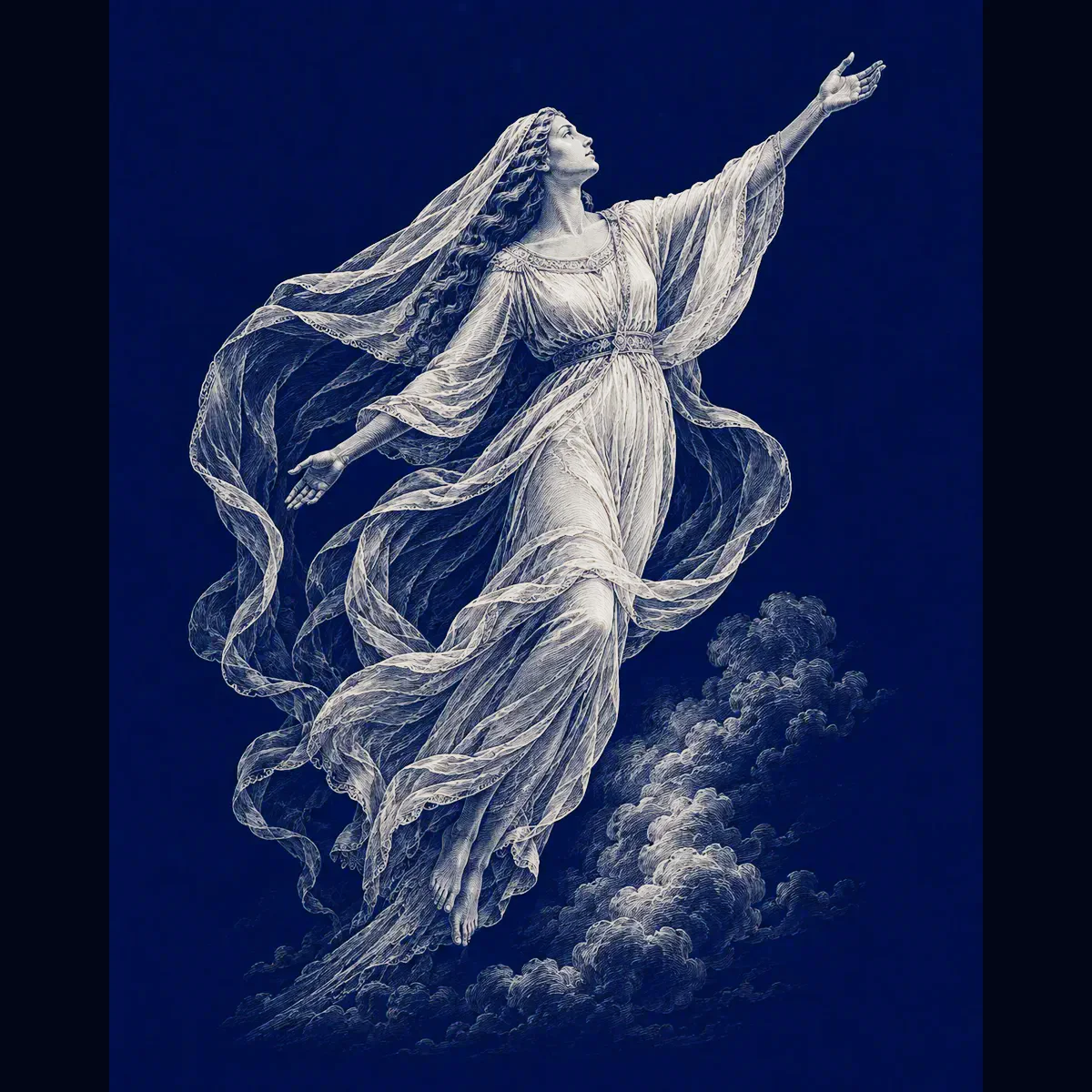
03The earthly image of the Pleiades continues in Cassiopeia — the enthroned Church, now the Lamb’s wife. Andromeda shows the passage between the earthly Bride and the heavenly assembly, the Great Bear shows the same multitude as the Great Flock guided by God, and the two Fish show Israel and the Church joined by one covenant bond.